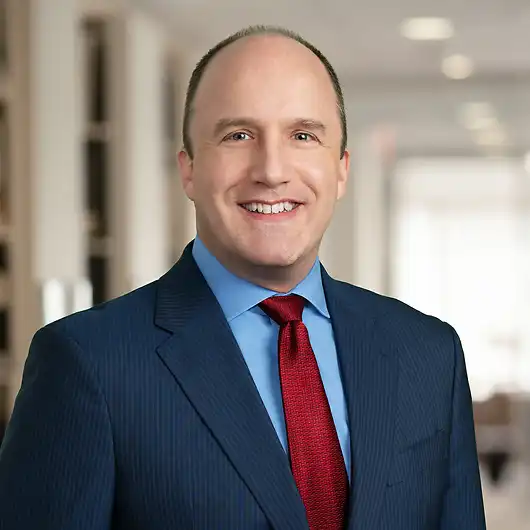
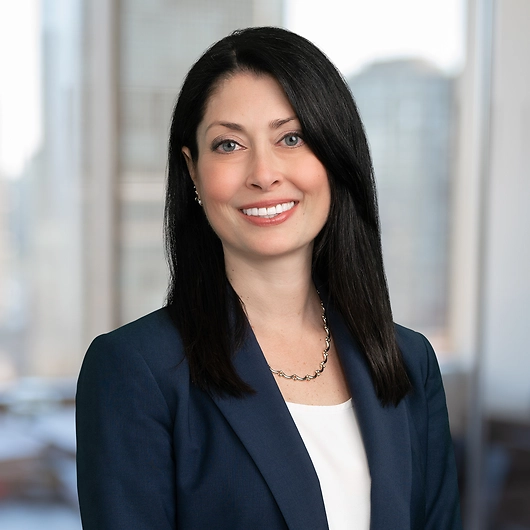
Paul DeCamp and Adriana S. Kosovych, Members of the Firm in the Employment, Labor & Workforce Management practice, were quoted in Law360, in “NC Judge Denies Class, Collective in Yearslong Wage Dispute,” by Benjamin Morse. (Read the full version – subscription required.)
Following is an excerpt:
A North Carolina federal judge refused to certify a new round of collective and class claims against an auto parts manufacturer, finding that workers challenging off-the-clock work failed to show their claims could be efficiently resolved on a group basis after several years of litigation. ...
The workers' theory relies on an alleged "de facto" policy requiring uncompensated work, rather than an explicit rule, the judge noted. But the workers did not present a workable method for proving that each employee was subject to that policy or injured by it, Judge Eagles found.
The court said the proposed class structure, involving multiple types of alleged off-the-clock tasks across different facilities and job duties, risked devolving into a series of individualized inquiries rather than a streamlined proceeding.
The court also rejected certification of FLSA collectives, finding that even under the statute's more lenient standard, the workers had not shown their claims could be resolved efficiently or explained how those differences would be managed on a group basis after years of litigation. ...
Paul DeCamp and Adriana S. Kosovych, counsel for the company, told Law360 in a statement Thursday that the ruling "shows that there is no substitute for a robust evidentiary record demonstrating individualized issues when defending a wage and hour class or collective action."
"Eventually, in every one of these cases that makes it far enough, the parties and the court need to think about what a trial would look like," added DeCamp and Kosovych. "When the record clearly demonstrates that individualized issues predominate over common issues, the court has to decide whether to permit a train wreck of a trial to proceed."
"Here, the court recognized that there was no fair or appropriate way to present these cases to a jury on a class or collective basis," DeCamp and Kosovych said.
People
 Board of Directors / Member of the Firm
 Member of the Firm