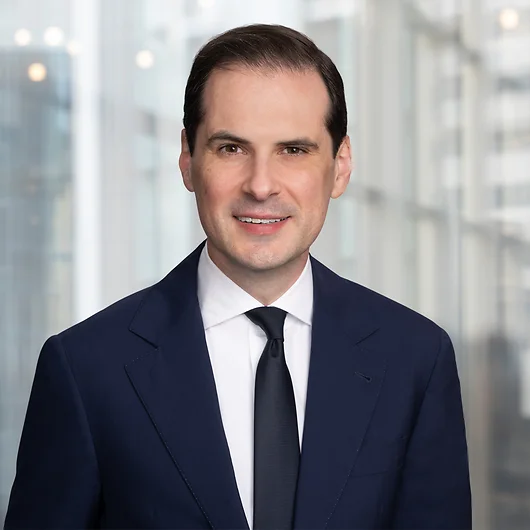
Richard H. Hughes, IV, Member of the Firm in the Health Care & Life Sciences practice, in the firm’s Washington, DC, office, was quoted in Axios, in “Chaos Could Be Coming for Children's Vaccines,” by Caitlin Owens. (Read the full version – subscription required.)
Following is an excerpt:
Some leading vaccine manufacturers could be exposed to litigation they've been protected from for decades if the U.S. decides to adopt a new childhood vaccine schedule resembling Denmark's, as it appears likely to do in the new year.
Why it matters: The threat of expensive lawsuits could ultimately drive vaccine makers from the U.S. market, upending access to shots like those protecting against the seasonal flu, hepatitis and meningitis. …
- (Aaron) Siri noted that COVID vaccine, which is no longer recommended for children, is as a result no longer protected by the federal liability shield and that "if you took the other vaccines ... and you made them non-routine, they would be out."
Yes, but: Legal experts disagree with (Aaron) Siri's assessment.
- "I can easily read the statute to mean they can add and remove injuries but they can't add or remove vaccines" from the compensation program, said Richard Hughes, a professor of vaccine law at George Washington University and a partner at Epstein, Becker & Green.
- But if (Aaron) Siri's argument is affirmed by courts, "then that is a problem," Hughes added. "It does create a pre-1986 challenge where you have this risk of courts being flooded with claims."
The bottom line: Copying Denmark's vaccine schedule isn't just a matter of whether that country's vaccine recommendations make sense for the U.S.
- It could also impact whether vaccines that are freely accessible in the U.S. today remain so.