What employers should know about key developments this week:
- False Claims Act Exposure: The Department of Justice's (DOJ's) Civil Rights Fraud Initiative is scrutinizing any entity that contracts with or receives funding from the federal government whose diversity, equity, and inclusion (DEI) practices may violate the False Claims Act.
- April 25 Deadline for Federal Contractors: A new executive order requires federal contractors and their subcontractors to certify that they will not engage in discriminatory DEI programs. Federal contractors must act now to meet the looming compliance deadline.
- Multifront Enforcement Risk for All Employers: Private employers should also take note—investigations, subpoenas, and contract obligations are hitting from multiple directions, often before litigation even begins, as the DOJ and the Equal Employment Opportunity Commission signal aggressive enforcement of anti-discrimination laws.
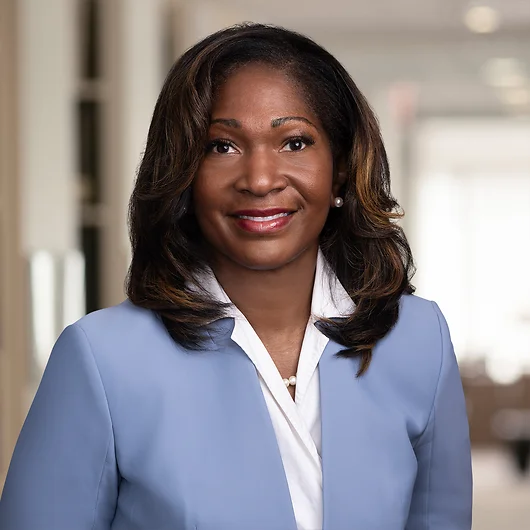
In this episode of Employment Law This Week®, Epstein Becker Green attorneys Leah Brownlee Taylor and Lauri F. Rasnick unpack the administration's escalating DEI enforcement actions.

Transcript
[00:00:03] George Whipple: Welcome to Employment Law This Week. I’m George Whipple. Enforcement action heats up as the administration takes its DEI fight to employers on multiple fronts. In 2025, the Department of Justice launched the “Civil Rights Fraud Initiative” to investigate employers who contract with the federal government based on a theory that their DEI practices could violate the False Claims Act.
[00:00:33] Lauri Rasnick: The False Claims Act allows the government or a private whistleblower acting on the government's behalf to sue an entity that knowingly submits a false or fraudulent claim for payment to the federal government. So here, DOJs theory was that federal contractors must certify that they'll comply with the anti-discrimination laws as a condition of their contracts.
[00:00:56] George Whipple: The government claims that contractors who make this certification while engaging in DEI practices are violating the Act. Employers found to be in violation of the FCA face treble damages that can easily stretch into the millions. Federal contractors should also be aware of the recent executive order requiring them to certify that both the contractors themselves and any subcontractors will not engage in discriminatory DEI practices. Action to comply must be taken by April 25.
[00:01:32] Leah Brownlee Taylor: I think it's a real wake-up call for federal contractors and grantees. The civil division—coincidentally my old division at the Department of Justice—and the EEOC through Chair Lucas have all publicly signaled that they will aggressively pursue investigations of Title VII and other violations of statutory laws. And there's real liability exposure for employers here. So this is more than just front page news, but for employers and employees, this will have real life consequences.
[00:02:03] Lauri Rasnick: Private employers should be watching closely, too. The risk right now isn't a single court ruling declaring DEI unlawful, its enforcement—investigations, subpoenas, and contract obligations—hitting from multiple directions often before litigation even begins. It's important to note that the practices at issue—diverse interview slates, diverse sources, demographic goals tied to bonuses and race- or sex-restricted mentoring and training programs—were standard corporate practice just a few years ago.
[00:02:39] George Whipple: Things are moving quickly. So what should employers do now?
[00:02:43] Leah Brownlee Taylor: This legal landscape and current environment is ever-changing, so it's important to consult with counsel. Second, employers need to be really vigilant in their internal compliance review of their programs. In addition to looking internally, employers should look externally at their public-facing documents. Those are going to be subject to scrutiny. Lastly, employers should remember that these discrimination investigations can go back several years. So now, not later, is the time to conduct a records inventory, an inspection of all their employment programs past to present.
[00:03:19] George Whipple: Thanks, Leah and Lauri. And thank you for watching. We’ll see you next time.
In Case You Missed It
Virginia Approves SB170: Expanded Restrictions on Enforcement of Non-Competes Take Effect July 1, 2026, Trade Secrets & Employee Mobility
DOJ Creates National Fraud Enforcement Division: What It Means for Fraud Enforcement in America, Commercial Litigation Update
About Employment Law This Week
For employers navigating risk, workforce, and the bottom line. Employment Law This Week® delivers the employment and labor developments that matter—without the noise. Part of the Epstein Becker Green Insights Network.
Your Workforce. Our Business.®
As a trusted leader in U.S. employment law, Epstein Becker Green supports employers from a variety of industries in mitigating risks, safeguarding reputations, and enhancing bottom lines. Learn more about our employment, labor, and workforce management services.
Email Notifications
Follow Us
Never miss an episode! Subscribe to Employment Law This Week on your preferred platform:






Also on Audible | Deezer | Goodpods | iHeartRadio | PlayerFM | Pocket Casts | YouTube Music
More Like This


People
 Member of the Firm
 Member of the Firm
 Board of Directors / Member of the Firm