Welcome to #WorkforceWednesday. This week, we’ve seen some relief for employers and their workforces. Watch the week’s top workforce management and employment law news, and read further below:

Podcast: Apple Podcasts, Google Play, Overcast, Soundcloud, Spotify, Stitcher.
CARES Act: What You Need to Know (Video and Podcast)
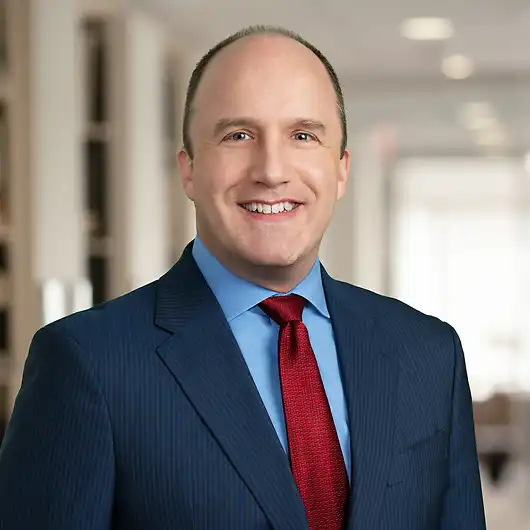
Last week, Congress passed and President Trump signed the CARES Act, a $2+ trillion stimulus law, which is the largest stimulus in U.S. history. Attorney Paul DeCamp discusses how this law could benefit certain employers during this unprecedented time.
Dive Deeper:
- Read more on the provisions of the CARES Act that are particularly relevant to employers.
- The CARES Act also impacts certain benefits plans and executive compensation.
- Under the CARES Act, employers obtaining loans must remain silent and commit to not opposing unionization of their employees.
Paid Leave Effective Today
The Families First Coronavirus Response Act went into effect today. The law adds new sick leave requirements for private employers with 500 or fewer employees. The U.S. Department of Labor released guidance and FAQs last week, including clarification on the payroll tax credits. There are also employer notice requirements. Here’s the model poster.
Duty to Bargain During Emergencies
The National Labor Relations Board issued guidance clarifying the rights and obligations of employers and labor organizations during both public emergencies and emergency situations specific to an individual employer. Read more.
Other Highlights
Recent COVID-19 State/Local Guidance
- The California Department of Fair Employment and Housing has published COVID-19 FAQs.
- Also in California, the Los Angeles City Council passed mandated supplemental paid sick leave.
- The Connecticut Department of Labor issued guidance analyzing issues raised by the COVID-19 pandemic under existing laws.
- Here’s a checklist for Illinois businesses operating under the COVID-19 “stay at home" order.
- New Jersey clarified permissible operations for certain businesses.
- For New York employers, the state has issued FAQs on the state’s new law providing leave benefits to employees affected by COVID-19.
- A state of disaster has been declared in Texas, while specific cities have issued“ stay at home” orders affecting employers.
What We’re Reading
“Keeping Electronic Eye on Workers Gets Dicey During Work at Home,” a Bloomberg BNAarticle by Chris Opfer and Daniel Stroller and featuring attorney Adam Forman.
Stay Up to Date
Our Coronavirus Resource Center is updated daily and always available at www.ebglaw.com/coronavirus.
About Employment Law This Week
For employers navigating risk, workforce, and the bottom line. Employment Law This Week® delivers the employment and labor developments that matter—without the noise. Part of the Epstein Becker Green Insights Network.
Your Workforce. Our Business.®
As a trusted leader in U.S. employment law, Epstein Becker Green supports employers from a variety of industries in mitigating risks, safeguarding reputations, and enhancing bottom lines. Learn more about our employment, labor, and workforce management services.
Email Notifications
Follow Us
Never miss an episode! Subscribe to Employment Law This Week on your preferred platform:




Also on Audible | Deezer | Goodpods | iHeartRadio | PlayerFM | Pocket Casts | YouTube Music
People
 Board of Directors / Member of the Firm
 Board of Directors / Member of the Firm