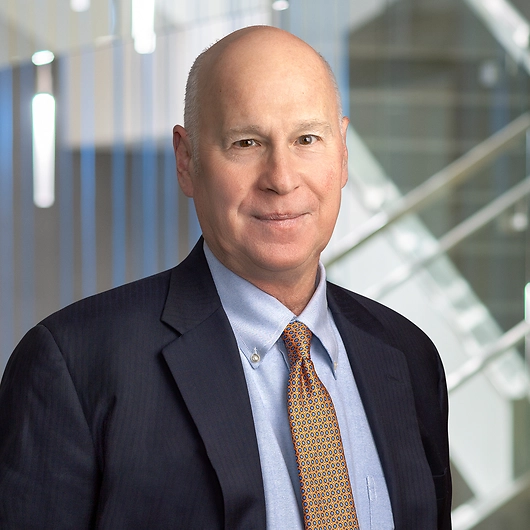
Eric J. Neiman, Member of the Firm in the Health Care & Life Sciences practice, in the firm’s Portland office, authored an article in the March-April issue of the Journal of Healthcare Compliance titled “Workplace Violence Prevention in Health Care: State Compliance, Labor-Management Issues, and the Role of Al.”
Following is an excerpt (see below to download the full article in PDF format):
In the absence of a federal standard, states are taking the lead on legislation to prevent violence in the health care workplace. Health care employers should be proactively implementing strategies while staying current on labor-management issues, new laws and regulations, developing strategies and resources, and now, the role of Al in addressing the problem
Workplace violence is defined by the Occupational Safety and Health Administration (OSHA) as “any act of threat of physical violence, harassment, intimidation, or other threatening disruptive behavior that occurs at the work site.” It can range from threats and verbal abuse to physical assaults, and it can affect employees, patients, and visitors. Statistics have shown that at least one in four health care/social service workers have experienced violence on the job; that they face greater risk of violence than prison guards or police officers; and that they are four to five times more likely to suffer a workplace violence injury than employees in other occupations.
Some still see promise in federal legislation. One set of bills currently before Congress would require OSHA to finalize a rule requiring health care employers to establish workplace violence prevention standards. Another set of bills would address the problem with enhanced penalties for those assaulting health care employees. Yet these initiatives have stalled since being introduced in April 2025, as happened with prior efforts toward federal legislation, and the call for a national standard, starting well before the COVID-19 pandemic, has gone nowhere on its own. In the absence of federal action, states are stepping up.
Related Materials
People
 Member of the Firm