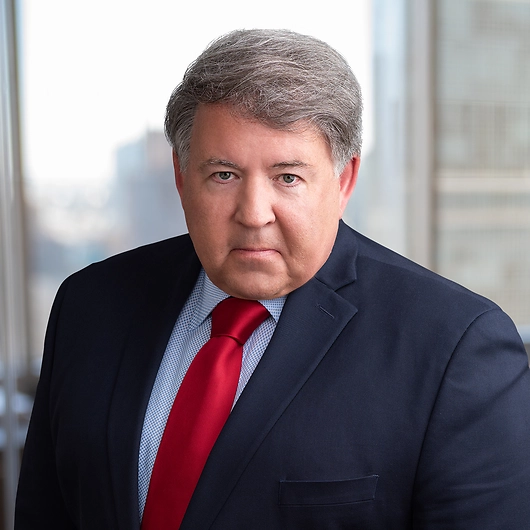
George Breen, Kim Harvey Looney, and Jennifer Nelson Carney, Members of the Firm, present at the AHLA Annual Meeting 2026, which runs from June 28 to July 1.
On June 29, Kim co-presents "Year in Review." Offering more substance than the nightly news, this panel will cover key developments over the past year and identify industry and enforcement trends. Highlights include:
- The enforcement priorities of the Trump Administration
- OBBA and CAA changes to the health care landscape
- The swirl of public health controversies
- False Claims Act case law and settlements (key cases and enforcement trends)
- Stark and Anti-kickback developments
- Health Care Transactions (from hot trends, to record number of bankruptcies, to private equity, to tax issues, to new antitrust theories)
- HIT developments (cyber-attacks, information blocking and interoperability, OCR enforcement, and new state laws)
- AI in Health Care
- No Surprises Act enforcement
- Reimbursement trends and 340B
- And much more!
On June 29 and again on July 1, George co-presents "Private Equity and Health Care: Navigating the False Claims Act Risk." This session will explore the intersection of private equity investment, health care regulatory frameworks, and state and federal false claims act exposure. The presenters will discuss the theories seeking to implicate investors for portfolio company misconduct, analyze the evolving enforcement posture, and provide practical guidance for managing compliance risk. Topics include:
- How private equity ownership structures can intersect with state and federal false claims acts and fraud-and-abuse laws
- Potential red flags in investment transactions and operations that could expose investors or portfolio companies to state and federal false claims act liability and areas that government and relator counsel look at when considering these issues
- Recent enforcement actions involving private-equity-backed health care companies and discuss to what extent this is an area of focus for both the federal and state governments
- Due diligence and compliance integration strategies to mitigate the potential of post-closing false claims act risk
- The broader policy and ethical debates in health care and enforcement accountability
- How private equity investors can decrease potential false claims act risk
On June 30, Jenny co-presents "Gender-Affirming Care for Minors and Adolescents–Federal and State Developments." Topics include:
- What are the federal enforcement priorities and activities in this area including criminal enforcement, civil False Claims Act enforcement, off-label promotion under the Food Drug and Cosmetic Act and federal consumer protection laws? Have agencies moved to terminate Medicare/Medicaid participation or federal research or education funding for providers continuing to provide such care? Are enforcement efforts continuing against providers who have ceased providing such care?
- What state enforcement activities or private lawsuits are occurring in states that consider termination or limitation of such care to be a violation of their antidiscrimination laws?
- What is happening regarding the litigation challenging the two Executive Orders (EO 14168 and 14187) in this area?
- What is the current landscape on motions to quash DOJ subpoenas for patient records related to gender-affirming care including the QueerDoc appeal?
- What are the likely repercussions of recent HHS activity including the Dec. 18 2025 proposed rules on funding and conditions of participation and Kennedy Declaration, and referrals to HHS OIG?
- What compliance measures should providers be taking to reduce retrospective or current risk of civil or criminal liability in connection with providing gender-affirming care?
For more information, visit the conference website.




Event Detail
New York, NY
People
 Member of the Firm
 Member of the Firm
 Member of the Firm
Services
- Behavioral Health
- Federal and State False Claims Act (Including Qui Tam)
- Fraud and Abuse Compliance Counseling and Defense
- Government and Commercial Coding, Coverage, and Payment
- Health Care
- Health Care and Life Sciences Investor Services
- Health Care Litigation
- Health Care Mergers and Acquisitions
- Health Insurance Exchanges
- Health Policy and Legislation
- Managed Care
- Stark and Self-Referral Laws