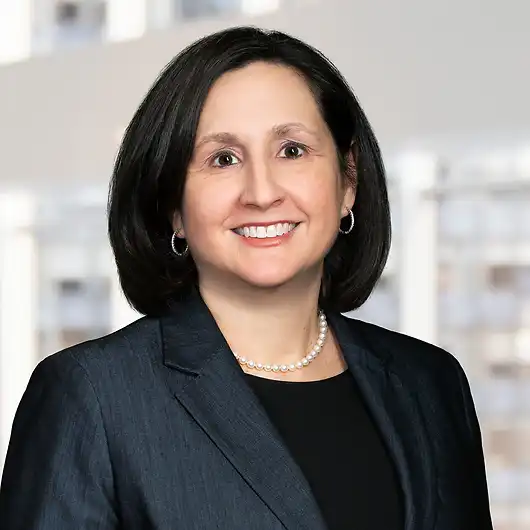
Melissa L. Jampol, Member of the Firm, co-presents "Digital Health MSOs in the Enforcement Crosshairs: CPOM Compliance, Fraud and Abuse Exposure, and the Government Investigation Playbook," a webinar hosted by myLawCLE.
CPOM enforcement is accelerating and digital health MSOs are the target. This webinar covers how to audit multi-state telehealth structures against California SB 351 and Oregon SB 951, redraft the provisions regulators hit first, and respond to subpoenas and CIDs without compounding exposure.
There are two sessions during the webinar:
Structuring the Compliant Digital Health Platform: CPOM, Fraud and Abuse, and the New State Rules
This session examines the regulatory architecture of digital health care delivery under the accelerating CPOM enforcement wave, with a focus on how telehealth and digital health platforms differ from brick-and-mortar MSO structures. Attorneys will learn where state CPOM regimes draw the clinical-control line for virtual care delivery, which management agreement provisions create per se risk under the new statutes, how management fees, equity arrangements, and referral flows generate Anti-Kickback Statute and Stark Law exposure inside the MSO model, and how to remediate legacy structures ahead of enforcement rather than after it. Attendees will leave with actionable criteria for auditing multi-state telehealth structures, redrafting the provisions regulators target first, and sequencing remediation without destabilizing operations, financings, or pending transactions.
When the Government Comes Calling: Investigations, Subpoenas, and Resolving the Enforcement Action
This session walks through the government enforcement encounter from first contact to resolution. Attorneys will learn how state AG and federal health care investigations originate and escalate, how to respond to subpoenas and civil investigative demands without compounding exposure, how to structure the privileged internal investigation, and how to negotiate resolutions that preserve the company’s ability to operate. Attendees will leave with a practical playbook for the moment structural noncompliance stops being a compliance question and becomes an enforcement matter.
For more information, visit the event web page.
Event Detail
Webinar
People
 Board of Directors / Member of the Firm