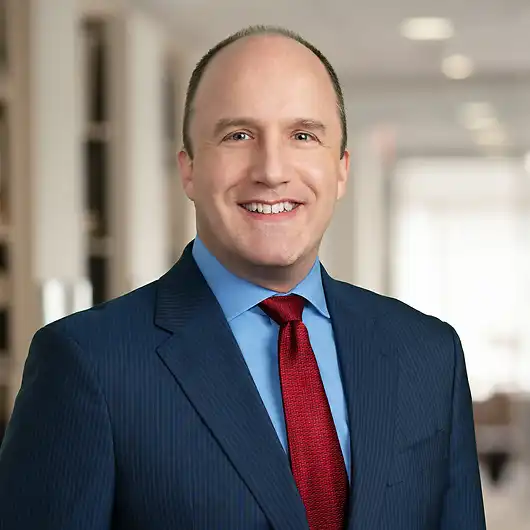
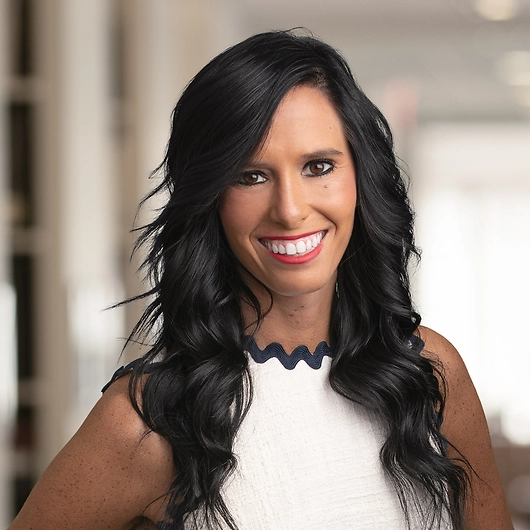
Paul DeCamp and Kathleen Barrett, Members of the Firm, co-present "Navigating the New AI-Driven Wage and Hour Litigation in the Restaurant Industry" at the Restaurant Legal Summit, hosted by the National Restaurant Association’s Restaurant Law Center.
Plaintiff litigation shops are deploying machine learning models and advanced litigation analytics to uncover wage and hour violations at scale, using predictive algorithms to identify algorithmic bias in scheduling systems, detect anomalies in timekeeping data, and surface hidden wage patterns across multi-unit restaurants that would be nearly impossible to uncover using traditional auditing methods. This panel will expose the specific AI and data science techniques plaintiff attorneys are weaponizing in wage and hour litigation, including wage prediction models and temporal pattern analysis to detect off-the-clock work. Panelists will also discuss how forward-thinking restaurant operators and in-house counsel are deploying the same technologies defensively: conducting predictive compliance audits, identifying system level vulnerabilities before plaintiffs do, and building accountability into scheduling and compensation systems to create defensible practices. Learn what specific data points, system integrations, and analytical approaches both sides are using, and discover how restaurants that move first on compliance gain a critical competitive advantage in avoiding the next generation of wage and hour litigation.
For more information, visit the conference website.
Event Detail
San Diego, CA
People
 Board of Directors / Member of the Firm
 Member of the Firm