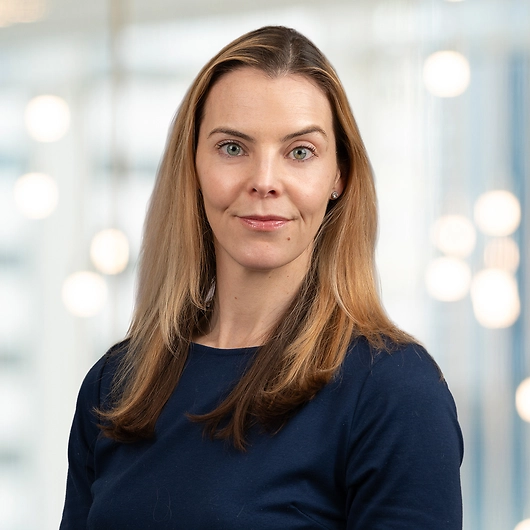
Massachusetts Lawyers Weekly has named Elizabeth McEvoy to its 2026 list of "Go To Life Sciences/Healthcare Lawyers," an annual feature recognizing Massachusetts attorneys nominated for the award by their peers and selected by a panel from the publication.
McEvoy, Member of the Firm in Epstein Becker Green's Health Care and Life Sciences practice, is one of 27 attorneys named to this year's list.
In the feature, McEvoy highlighted a run of cases she’s been part of that sit at the intersection of academic research and government enforcement: defending a principal investigator accused of falsifying Alzheimer's research, advising a university on undisclosed foreign talent-recruitment reporting obligations to the NIH, representing a faculty member accused of concealing participation in China's Thousand Talents Program from NASA and the Department of Defense, and guiding a medical center through a self-disclosure after research-misconduct allegations surfaced.
McEvoy started as a healthcare litigator before being drawn to government enforcement work. Early exposure to research misconduct allegations showed her how tightly federally funded science is regulated, and how much that overlaps with False Claims Act risk. Few attorneys focus on that intersection, and demand for that counsel has grown.
Asked what's coming in 2026, she said:
"Scrutiny of federally funded research will intensify, particularly around personal data in clinical trials and collaborations involving countries of concern. Institutions should expect more whistleblower activity under the False Claims Act, continued data-sleuth misconduct allegations, and more frequent inquiries from funding agencies and inspectors general."
Read the full "Go To Lawyers" feature from Massachusetts Lawyers Weekly.
Get in Touch
To discuss how your institution can prepare for increased scrutiny of federally funded research, contact Elizabeth McEvoy at emcevoy@ebglaw.com.