For life sciences companies, medical device manufacturers, and the general counsel and compliance officers who oversee them, a voluntary self-disclosure can resolve False Claims Act exposure on better terms.
It also invites lasting scrutiny of the compliance program behind the disclosure.
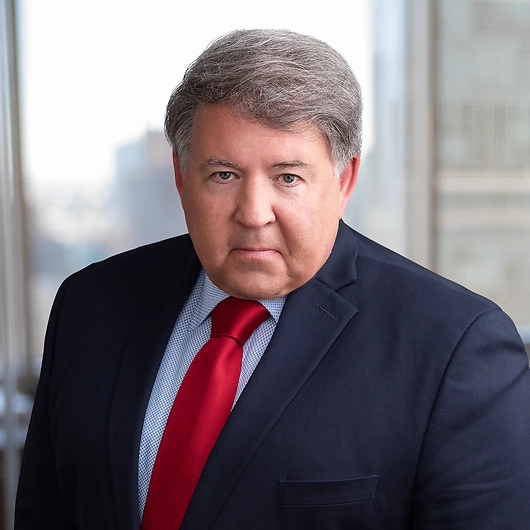
In a recent article, “DOJ’s FCA Self-Disclosure Pilot Not A One-and-Done Remedy,” Medtech Insight examined the Department of Justice’s new Healthcare False Claims Act Self-Disclosure Pilot Program. George B. Breen, Member of the Firm of Epstein Becker Green and counsel to health care and life sciences companies on False Claims Act investigations, government enforcement, and compliance program effectiveness, discussed what participation means after the agreement is signed.
The pilot caps restitution below the treble damages that might otherwise apply, and the HHS Office of Inspector General will forgo a corporate integrity agreement. George noted that participants also gain a single release for potential civil claims and certain OIG penalties, without a required admission of facts. The remedies a company proposes may be written into its settlement agreement. If similar issues surface later, federal attorneys may ask what the company has done to keep monitoring the conduct that led it into the program.
George said a functioning compliance program gives a company something concrete to point to when that question comes.
“You can’t eliminate everything, but you can say ‘this is what I did to make sure we’re doing things the right way,’ and there’s a real benefit to that,” Breen said.
Get in Touch
To discuss how the DOJ self-disclosure pilot may affect your organization’s False Claims Act exposure and ongoing compliance program, contact George Breen at gbreen@ebglaw.com.