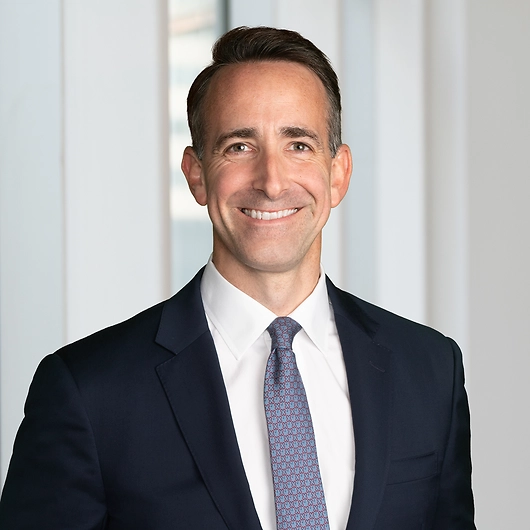
Jeffrey (Jeff) H. Ruzal, Member of the Firm in the Employment, Labor & Workforce Management practice, was quoted in Law360 Employment Authority in “DOL Diverges on Wage Enforcement, Deregulation at 6th Circ,” by Max Kutner. (Read the full version – subscription required.)
Following is an excerpt:
An en banc petition is pending in DOL v. Americare Healthcare Services et al. panel in April upheld a 2013 rule that barred employers from using an exemption to Fair Labor Standards Act minimum wage and overtime requirements for certain domestic workers. The DOL had brought the case as an enforcement action against a home care company and won a lower court order for the company to pay $15 million. …
Jeff Ruzal of management-side firm Epstein Becker Green, who was a trial attorney in the office of the labor solicitor while former President Barack Obama was in office, said the DOL likely sees its enforcement action in this case as separate from its policy change that came after the alleged violations occurred.
"Perhaps it might take the position that it's expended significant time and department resources to enforcing and prosecuting it, and at this point there isn't a reason, since there would be no retroactivity to this rescission," Ruzal said.
The takeaway for employers is that a rule is enforceable until it is off the books, Ruzal said.
"Businesses should tread cautiously until and unless the DOL makes that change," he said.
But at the same time, Ruzal said, the DOL's continued participation in this case doesn't mean enforcing the 2013 rule will remain a priority for the Trump administration.
"I think that this disconnect, perhaps, between the rulemaking arm of the DOL, the Wage and Hour Division, from an enforcement perspective, prospectively, and this prosecutorial move, which is contrary to the direction in which it's heading, is really just a matter of timing," he said.