For employers managing union organizing activity, dress code enforcement, and workplace insignia policies, a federal appeals court has just narrowed how much deference the National Labor Relations Board gets when it rules those policies unlawful.
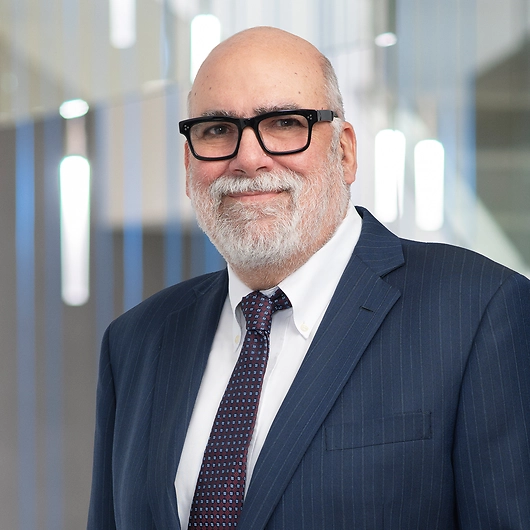
"Why the Second Circuit Backed Starbucks in Union Dress-Code Dispute," published by International Employment Lawyer, examined the Second Circuit's decision siding with Starbucks in a dispute over employees wearing union insignia, reversing the NLRB's finding that the company's dress code violated federal labor law. Steven M. Swirsky, Member of the Firm of Epstein Becker Green and counsel to employers on labor relations strategy and NLRB proceedings, discussed what the ruling signals for how courts are reviewing the board's interpretations of the National Labor Relations Act.
The court rejected the board's 2022 Tesla standard, which had treated most restrictions on union insignia as presumptively unlawful, finding it conflicted with a 1945 Supreme Court precedent calling for a balance between employee rights and legitimate business interests. Swirsky pointed to the broader shift underway since the Supreme Court ended Chevron deference, noting that courts are now more willing to reach their own conclusions about what the Act means rather than defer to the board.
"While it is clear that, as a result of Loper Bright and the end of Chevron deference, the courts are not going to defer to the NLRB's interpretations of the NLRA as it did previously, the Second Circuit's decision shows that in at least some cases, the courts are likely to engage in de novo review of cases and to formulate their own conclusions as to what the Act means," Swirsky said.
He added that employers should not read the ruling as unlimited license to restrict union imagery, since policies that interfere with employees' right to organize can still be found unlawful.
Get in Touch
To discuss how this shift in judicial deference to the NLRB may affect your organization's dress code and workplace policies, contact Steve Swirsky at sswirsky@ebglaw.com.
People
 Board of Directors / Member of the Firm