What general counsel and business leaders need to know:
- A Familiar Tool, New Targets: The False Claims Act (FCA), long used to pursue fraud claims against health care institutions and government contractors, is now being extended to conduct that has never faced scrutiny under the FCA before. Through a “false certification” theory, the government is targeting diversity, equity, and inclusion (DEI) initiatives and significantly expanding the sectors in which employers now face FCA scrutiny.
- The Certification Trap: The U.S. government is adding language to funding forms and contracts requiring entities to certify they do not have illegal DEI programs. If an organization cannot show that its diversity initiatives align with federal civil rights law, falsely certifying that information can trigger FCA liability, which can come with treble damages and per-claim penalties.
- Unsettled Legal Ground Favors Defendants—for Now: No court has tested the government's materiality or scienter arguments in DEI-FCA cases. Early settlements involved conduct from 2017—before DEI executive orders— raising serious questions about how these elements can be proved in relation to initiatives that were lawful at the time.
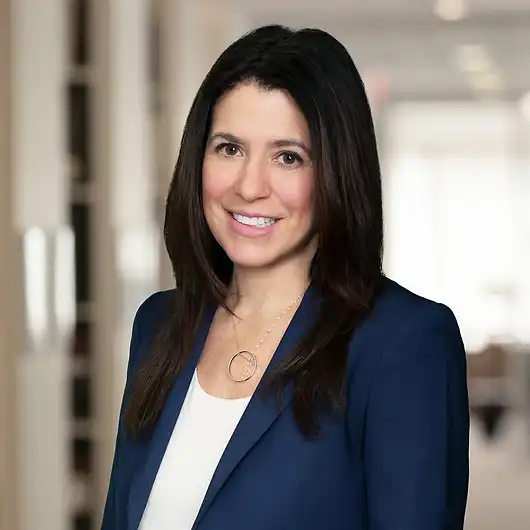
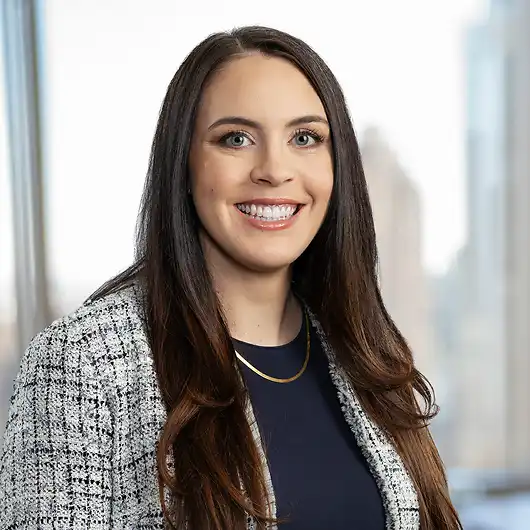
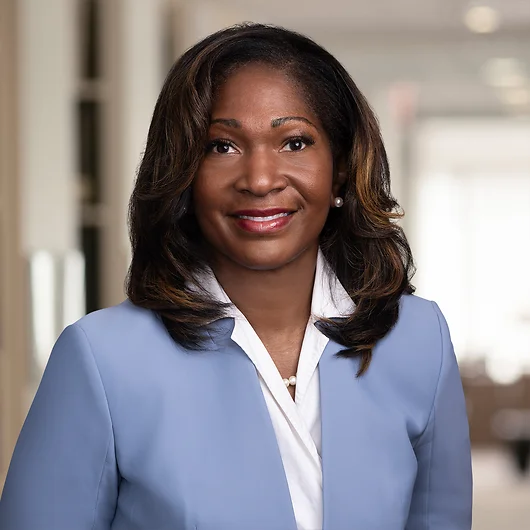
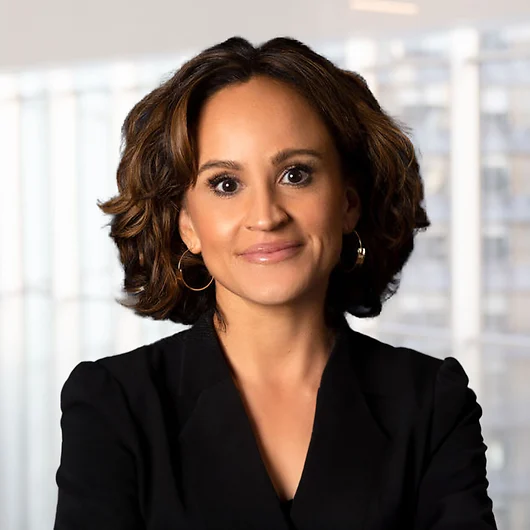
In this episode of Diagnosing Health Care, Epstein Becker Green attorneys Lauri F. Rasnick, Daniella R. Lee, Leah Brownlee Taylor, and Haley Morrison discuss Civil Investigative Demand protocols, how to document good-faith compliance without waiving privilege, and what general counsel and compliance officers should do this week to prepare.
Transcript
[00:00:00] Lauri Rasnick: Hello and welcome. I'm your host, Lauri Rasnick. I'm a member of the firm in Epstein Becker and Green's Employment, Labor, and Workforce Management practice in New York, where I advise and defend employers navigating their toughest workplace compliance and litigation challenges. This includes the wave of enforcement activity now targeting DEI programs.
[00:00:27] Lauri Rasnick: So the government is turning to the False Claims Act, a law that was built to punish fraud, not social policy, into its weapon of choice against DEI programs, even though it still hasn't defined what illegal DEI actually means. What happens when a certification your organization has relied on for years suddenly becomes the basis for a fraud claim?
[00:00:54] Lauri Rasnick: Why are employers, universities, and nonprofits now getting civil investigative demands that traditionally used to land only on health care institutions and government contractors? And how do you show good faith compliance without waiving privilege? If you like what you hear today, please subscribe to the show, Diagnosing Health Care.
[00:01:18] Lauri Rasnick: It's available wherever you get your podcasts. So joining us today for our discussion is Daniella Lee, a member of the firm in our Tampa office. Daniella represents health care institutions in litigation and in government investigations, including False Claims Act cases. Thank you for joining us, Daniella.
[00:01:41] Daniella Lee: Thanks so much for having me, Lauri.
[00:01:42] Lauri Rasnick: Also joining us is Leah Brownlee Taylor, a member of the firm in our Washington, D.C. office. Leah is a former acting general counsel of the DOJ's U.S. Marshals Service and senior trial attorney with the Civil Division DOJ, who now defends employers in employment and civil rights litigation.
[00:02:05] Lauri Rasnick: Thank you so much for joining us, Leah.
[00:02:07] Leah Brownlee Taylor: Thank you, Lauri. Good afternoon.
[00:02:08] Lauri Rasnick: And finally, Haley Morrison, a member of the firm in our Portland office. Haley focuses on employment litigation and workplace compliance for employers nationwide, with particular focus in California and Oregon. Thanks for joining us, Haley.
[00:02:26] Haley Morrison: Hi, Lauri. Nice to see you.
[00:02:27] Lauri Rasnick: All right. To kick us off, how did we get here?
[00:02:31] Daniella Lee: So two worlds are colliding here. The government is now wielding the False Claims Act, which is traditionally a fraud enforcement tool, particularly against health care institutions and government contractors, to enforce illegal DEI programs, even if it isn't totally clear, like you said, Lauri, what illegal DEI actually means.
[00:02:50] Lauri Rasnick: Why is the FCA the vehicle of choice for this fight?
[00:02:54] Daniella Lee: Because the False Claims Act is a very big stick for the government to wield. It comes with treble damages and per-claim penalties, so it can be a very effective mechanism for deterring unwanted conduct.
[00:03:06] Lauri Rasnick: Can you tell us, how are they able to apply the FCA in this new context?
[00:03:12] Daniella Lee: Sure. So specifically, the government is looking at enforcing DEI through what's referred to as a false certification theory. In other words, the government is adding new language to its forms used to seek funds or submit claims for payment, as well as to its contracts, requiring entities to certify that they do not have illegal DEI programs and that they acknowledge that such certification is material to the government's decision to provide payment or enter that contract.
[00:03:37] Daniella Lee: This creates a mechanism for the government to argue that falsely certifying to such information is a fraud on the government. Now, up until this point, FCA litigators and DEI counsel have largely been two completely separate areas of law with essentially no overlap, which is part of why this is uncharted territory on both sides and why we have representatives from our health care group and our labor and employment practices tackling these issues together.
[00:04:02] Lauri Rasnick: Thank you, Daniella. That's exactly the ambiguity driving the government's enforcement theory, right? So Leah, how do you see this certification risk playing out for clients?
[00:04:14] Leah Brownlee Taylor: Well, clients who have run the same DEI programs for five or six years now found themselves with programs that have been recharacterized as immoral or illegal or non-compliant with federal civil rights laws under Title VI or Title VII, even though, as we pointed out, that the government's definition of what racially discriminatory DEI activities, particularly under Executive Order 14398, is vague and ambiguous.
[00:04:43] Leah Brownlee Taylor: The federal government's interpretation of what illegal DEI is has been the subject of numerous challenges all across the country from West Coast to East Coast. And to be clear, the DEI executive orders aren't the law. We advise clients that the government has conceded that fact. The administration's interpretation of the law, they don't create new legal obligations, but they do implicate new enforcement risks and challenges for clients.
[00:05:14] Lauri Rasnick: If that certification theory is untested, the real fight may come down to proving it mattered. Daniella, where is the government's case weakest on materiality? How should organizations position themselves before that gets litigated?
[00:05:29] Daniella Lee: So as to materiality, Supreme Court precedent makes clear that merely checking the box on a form that something is material to the government's decision to pay is relevant, but not dispositive on the element of materiality.
[00:05:43] Daniella Lee: So there is still room for argument on both sides as to materiality. Now, the first and only public False Claims Act resolutions that we have seen regarding DEI practices have been settlements. So no court has tested any attempt by the government to establish materiality in this context. The same is true for scienter.
[00:06:03] Daniella Lee: Importantly, the first public settlement related to DEI issues, that reached back to conduct from 2017. Which was obviously far before Donald Trump's executive orders pertaining to DEI. I struggle personally to see how the government could establish scienter for conduct that was not interpreted as illegal at the time, but we have not yet seen how that issue would play out in the courts.
[00:06:26] Lauri Rasnick: Thank you. A client question that we're getting, Haley, who's really in the crosshairs right now for additional potential enforcement?
[00:06:36] Haley Morrison: Unfortunately, Lauri, it's bad news on that front. It's really everyone. We are seeing both the private enterprises that people assume are at risk, especially the very large private enterprises, but there are also many, many other organizations that are being targeted.
[00:06:51] Haley Morrison: That includes higher education, nonprofits, academic medical centers, and many, many others are in the crosshairs with respect to scholarship funds and grant applications. For example, organizations with mission statements about employing a diverse workforce or serving people of color have been targeted for these reasons.
[00:07:14] Haley Morrison: Just recently, the Americans for Equal Opportunity filed a discrimination charge against an educational nonprofit and fourteen of its partner law firms for alleged preferential treatment towards Muslim or Middle Eastern applicants. That's just one example of many.
[00:07:29] Lauri Rasnick: So what should institutions in that space be watching for, particularly with new regulations scheduled to take effect in October that have now been delayed till December.
[00:07:42] Haley Morrison: Right. So the Office of Management and Budget did publish this proposed rule related to various executive orders and DOJ guidance. That proposed rule would provide that federal agencies and pass-through entities must ensure that federal awards are not used to, quote, "Fund, promote, encourage, subsidize, or facilitate" three categories of activities.
[00:08:06] Haley Morrison: And those categories are, number one, DEI or diversity, equity or inclusion policies and practices. Number two, gender ideology, defined as theories that deny the sex binary in humans. And three, pediatric gender transitions. If a new Congress is elected, that may have an impact on whether the regulations take effect at all.
[00:08:28] Haley Morrison: But if they do take effect now in December, the AMA has warned how damaging the anti-DEI regulations would be.
[00:08:36] Lauri Rasnick: Which brings us to the hardest part for the lawyers advising these clients. So, Leah, you said advising clients here is perilous. They want to show good faith efforts to comply, but doing so risks waiving privilege.
[00:08:52] Lauri Rasnick: How do clients thread that needle without undermining their own defense?
[00:08:57] Leah Brownlee Taylor: Lauri, ideally, I think clients want to show their good faith compliance. They need to highlight the affirmative steps that they've taken to ensure that their programs and their activities are aligned with federal civil rights laws.
[00:09:11] Leah Brownlee Taylor: It may be necessary for clients to document and historically demonstrate the programmatic changes that they've made, but without sharing confidential, privileged communications with their counsel. Clients can lean into the affirmative defense without crossing that line. The goal is to get close, but without waiving attorney-client privilege.
[00:09:34] Lauri Rasnick: To wrap things up, with a bipartisan push in Congress to roll back these enforcement mechanisms, even as CIDs are already landing on organizations that have never faced one before, what is the one step you would tell a general counsel or a compliance officer to take this week?
[00:09:55] Daniella Lee: I would say one important step is to have a CID protocol in place.
[00:09:59] Daniella Lee: So make sure that you have an action plan for, what do you do if you get a CID? Who are the right people in the organization who are going to be tasked with responsibilities related to circulating litigation holds, to identifying and securing counsel as quickly as possible to ensure maintaining privilege over any internal investigations, and identifying the people who can make sure to facilitate any sort of IT system needs that might arise in relation to collecting documents.
[00:10:27] Lauri Rasnick: Thank you. Leah, Haley, what do you think?
[00:10:30] Leah Brownlee Taylor: Well, I'll jump in and I'll say this: I think it's really important for compliance officers and general counsels, and I say this as a former acting general counsel, to really stay abreast of the law. As you all know, the law is changing and developing every day. The Department of Justice, the EEOC are really committed to ramping up their enforcement activity in this area.
[00:10:50] Leah Brownlee Taylor: So stay one step ahead. Be proactive, have your team together, be ready to respond to any investigative allegations or challenges that you might face as an organization, as an enterprise. So stay abreast of the law and stay close with counsel in terms of really meeting the challenge of addressing these issues as they arise and they develop in our new legal landscape.
[00:11:11] Haley Morrison: I'm going to take a slightly different tack and look at it as somebody that counsels employers on a regular basis, just on these kinds of issues that they are looking at in their organizations more generally as DEI and other challenges are facing their organizations. One thing is just to really understand your mission.
[00:11:28] Haley Morrison: Understand what it is that you are trying to accomplish and how you are doing that. There are a lot of opportunities to achieve the same ends while being very thoughtful about what you're putting on your website or how you're talking about it within your organization that is consistent with a lot of the enforcement policies of this administration, but still allows your organization to feel really good about the actions it's taking.
[00:11:52] Lauri Rasnick: That's terrific advice from all of you. Thank you, Daniella, Leah, Haley, for taking the time to participate in today's discussion, and thank you to all of our listeners. I'm your host, Lauri Rasnick. If you like what you've heard today, please do not forget to subscribe. Diagnosing Health Care is available wherever you get your podcasts.
In Case You Missed It
Additional SBA Crackdown on Pandemic-Era Fraud Leads to Program and Loan Suspensions, Possible FCA Enforcement, Health Law Advisor
Federal Regulatory Views on Cybersecurity and AI Amidst a Growing Threat Landscape, Health Law Advisor
Remote Monitoring Services Under the 2027 PFS Proposed Rule: Epstein Becker Green Submits Comments to CMS, Health Law Advisor
About Diagnosing Health Care
What health care and life sciences decision-makers need to lead, comply, and compete. The health care industry is full of high-stakes legal, policy, and regulatory obstacles. And significant opportunities for those prepared to act on them. Diagnosing Health Care® delivers the intelligence executives, general counsel, and administrators need to navigate both. Part of the Epstein Becker Green Insights Network.
Email Notifications
Follow Us
Never miss an episode! Subscribe to Diagnosing Health Care on your preferred platform:






Also on Audible | Deezer | Goodpods | iHeartRadio | PlayerFM | Pocket Casts | YouTube Music

More Like This


People
 Member of the Firm
 Member of the Firm
 Member of the Firm
 Member of the Firm