Watch: What General Counsel and Business Leaders Need to Know
- Centralized Oversight and Pre-Indictment Asset Seizures: Two October 2026 directives from the U.S. Department of Justice’s (DOJ’s) National Fraud Enforcement Division (NFED) tell prosecutors to report ongoing corporate investigations to a central corporate enforcement section and to seize or freeze assets before anyone is charged. Companies may want to consider forfeiture risk when deciding whether to self-disclose.
- Data Mining and Whistleblowers: DOJ says it is using large-scale data mining to generate leads, and it reports that data miners have filed more than 45 percent of qui tam actions since fiscal year 2024. Companies are advised to conduct internal audits, maintain compliance procedures, and consider voluntary self-disclosure with counsel.
- Civil Rights Fraud Initiative: Federal contractors and funding recipients that certify civil rights compliance while maintaining diversity, equity, and inclusion (DEI) programs the government views as unlawful can face False Claims Act (FCA) investigations into conduct dating back to 2017. Companies should perform a risk analysis with counsel rather than rush to settle.
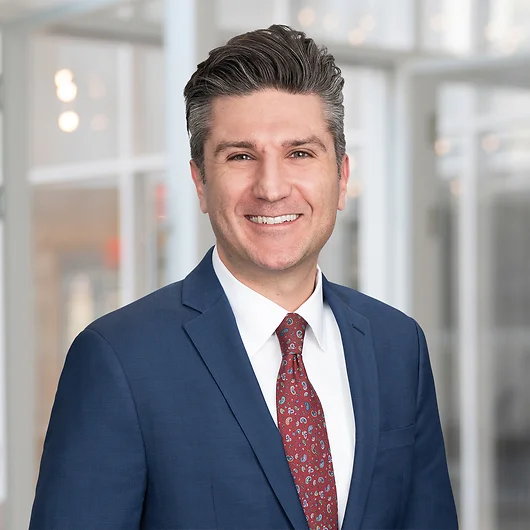
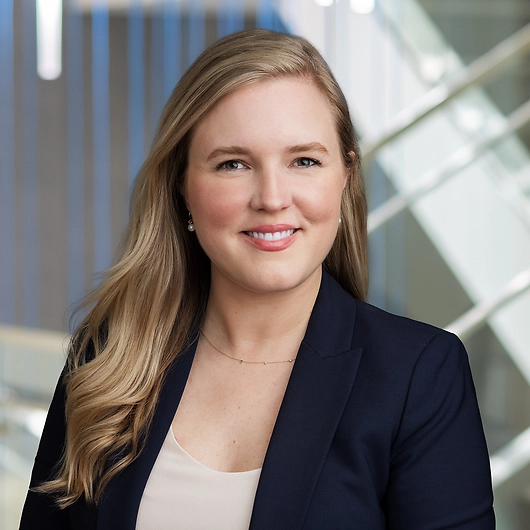
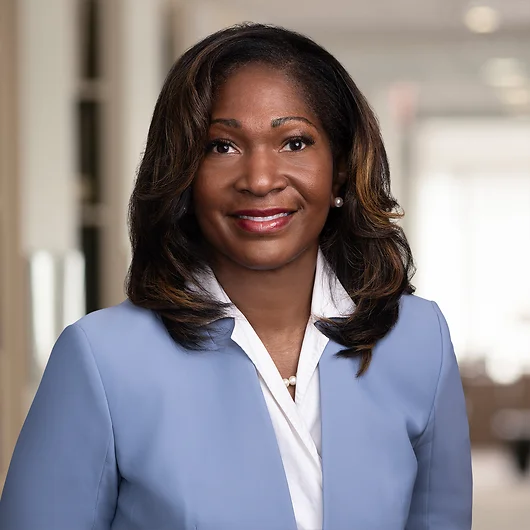
In this episode of Speaking of Litigation®, Epstein Becker Green attorneys Zachary S. Taylor, Erica Sibley Bahnsen, and Leah Brownlee Taylor discuss how NFED is organized and what it prioritizes, how the October directives reshape corporate enforcement, and how data analytics and whistleblowers are driving case generation. They also examine where FCA, civil rights fraud, and DEI enforcement fit in and explain what companies should be doing now.

Transcript
[00:00:00] Zachary Taylor: Today on Speaking of Litigation, we're discussing how DOJ's National Fraud Enforcement Division is organized, what it prioritizes, and how the October directives reshape corporate enforcement from centralized oversight to pre-indictment asset seizures. How data analytics, the new National Fraud Detection Center, and whistleblowers are driving case generation, and where False Claims Act, civil rights fraud, and DEI enforcement fit into this new landscape and what companies should be doing now. Hello, everyone.
[00:00:30] Zachary Taylor: I'm your host today, Zachary Taylor. I'm an attorney in Epstein Becker & Green's Health Care and Life Sciences practice, specializing in white collar defense and government investigations based out of our Newark, New Jersey office. In January, the president announced a new Justice Department division with a single mission, fighting fraud.
[00:00:47] Zachary Taylor: Since then, the National Fraud Enforcement Division, or NFED, has moved fast. It has created sections for health care, tax, trade, and corporate enforcement, set a target goal of roughly 500 attorneys and staff in 2026, with continued growth over the next two years, and launched a national fraud detection center.
[00:01:07] Zachary Taylor: In the span of a week, it also issued two directives. On October 1st, prosecutors were told to report their ongoing corporate investigations to a central corporate enforcement section. And October 7th, they were told to seize and freeze assets early, including before anyone is charged. Meanwhile, the civil division is separately using the False Claims Act to pursue multimillion-dollar DEI settlements with companies like Accenture.
[00:01:32] Zachary Taylor: Yet we have seen relatively little independent NFED corporate enforcement so far. So the question for companies is what all of this infrastructure actually means for their risk and what GCs and compliance officers should be doing now. Joining our discussion today is Erica Sibley Bahnsen, member of the firm in our Washington, DC office.
[00:01:51] Zachary Taylor: Erica defends health care and life sciences companies in False Claims Act investigations and litigation, qui tam actions, and white collar internal investigations at both the state and federal level. Hi, Erica. Great to see you, and thank you for being here.
[00:02:04] Erica Sibley Bahnsen: Hi, Zach.
[00:02:05] Zachary Taylor: Also with us is Leah Brownlee Taylor, member of the firm, also in our Washington, DC office.
[00:02:10] Zachary Taylor: Leah is the former acting general counsel of the U.S. Marshals Service and a former senior trial attorney in DOJ’s Civil Division. She now counsels and defends employers in employment, civil rights, and DEI compliance matters. Hi, Leah. So glad you could join us.
[00:02:25] Leah Brownlee Taylor: Hi, Zach. Great to be with you today.
[00:02:27] Zachary Taylor: All right. So let's get right into it. The April 7th acting attorney general memo created the NFED, and the August 13th memo set its priorities. DOJ's site now lists a health care fraud section, a corporate enforcement section, a national fraud detection center, and a district fraud counsel section embedded in the United States Attorneys offices.
[00:02:47] Zachary Taylor: Erica, I know that's a lot. It's a mouthful. But can you give us a quick background? What is NFED? What moved into it? And what does it mean now that every United States Attorneys office has a designated prosecutor?
[00:02:59] Erica Sibley Bahnsen: So what NFED really represents is this consolidation and reorganization of existing federal enforcement resources within DOJ.
[00:03:08] Erica Sibley Bahnsen: So in April, NFED assumed operational control over a few different existing litigation components within the criminal division. They now own the tax section, the health care fraud unit of the fraud section, and the market, government, and consumer fraud unit of the fraud section. So all on the criminal side, and they've left open for now whether there are any divisions, including the civil divisions, that will come under the umbrella.
[00:03:36] Erica Sibley Bahnsen: There may be civil frauds, may be civil tax in the future. For now, we're just looking at the criminal side. In many ways, this is an effort to centralize many prosecution decisions going through DOJ. It requires coordination among several different divisions. Like you said, Zach, each US attorney's office is required to designate an experienced prosecutor to be detailed in place to the NFED.
[00:04:01] Erica Sibley Bahnsen: NFED also encourages state and local level participation and cooperation, so as part of their expansion and development nationwide, NFED is granted the authority to establish and/or refocus grant programs to, quote-unquote, "Enable state and local prosecutors to join the mission of NFED." We also see that there's a hierarchy forming within NFED now that we're six months on.
[00:04:26] Erica Sibley Bahnsen: Starting in October, early October of this year, fraud division prosecutors, including those in health care fraud and tax fraud and others, now report their caseloads directly up through the corporate enforcement division. The corporate enforcement section has primary responsibility as well for evaluating corporate compliance with any sort of criminal resolution that corporations may have in this new sort of NFED schema.
[00:04:52] Zachary Taylor: Very comprehensive, and thank you so much.
[00:04:54] Zachary Taylor: And, you know, Leah, Erica raises this point about this centralization that's occurring as a result of NFED. And, you know, from your experience in DOJ, what does this centralizing of priority setting in Main Justice mean for how a matter's actually going to be opened and how it's handled in any given district?
[00:05:12] Leah Brownlee Taylor: Yeah, Zach, from my experience working with AAG McDonald it will likely mean a very centralized approach where the most important and impactful investigations and enforcement activity will likely be run through Main Justice with the support and collaboration through the various US Attorneys Office and districts throughout the country.
[00:05:33] Leah Brownlee Taylor: When I worked with him on other DOJ enforcement priorities, the approach was really to bring all leaders and stakeholders from various DOJ components, districts, divisions, and departments together with a laser-focused vision on implementing DOJ priorities. So like Erica said, I suspect it will be a very top-down, centralized, but hands-on approach at Main Justice.
[00:05:55] Zachary Taylor: And I think that's really important to see, you know, with your past experience and understanding that leadership structure and how you think it's going to impact this. And Erica, you mentionedthis, we're six months in, right? We see all this kind of centralization, all these efforts to develop an infrastructure to allow NFED to do its job to fight fraud.
[00:06:13] Zachary Taylor: But are we seeing any kind of independent NFED enforcement yet, or is this really a rebranding of the work that's already been occurring?
[00:06:22] Erica Sibley Bahnsen: I think rebranding is a good word for what we've seen so far. I mean, there have been a lot of splashy press releases for several months promoting NFED successes, things like takedowns.
[00:06:34] Erica Sibley Bahnsen: There was one in June of this year with 455 defendants in health care fraud allegations and opioid abuse allegations. But again, those types of investigations take years of labor by investigators and DOJ attorneys, and NFED has only been around as far back as March of this year. So that's a lot of what we're seeing out of NFED so far.
[00:06:56] Erica Sibley Bahnsen: But what I do expect to start seeing soon are some of the non-qui tam, non-whistleblower work emanating from the Fraud Detection Center or some of the focused data mining work that is highly reliant on independent whistleblowers. We'll talk about that a little bit more later. And recent press releases seem to indicate that some of that data mining, fraud detection work is really ramping up within NFED.
[00:07:26] Zachary Taylor: Yeah, and I think you raise a good point, right? Because we've seen that ramp up in this month, right? We've seen these new directives come out. We've seen all these different press releases occur. And so let's talk about those and kind of the impact that it's going to have moving forward, as you said, as we start to accelerate.
[00:07:41] Zachary Taylor: So let's start with the first one. October 1st, Colin McDonald, as we said, the assistant AG, he issues Directive 26-12. It's the corporate enforcement and fight against fraud, which applies to fraud division prosecutors. And so Erica, can you walk us through this particular directive's priorities, and in particular for you, I know, and your clients, what stands out for health care entities?
[00:08:03] Erica Sibley Bahnsen: It emphasizes priorities that have been pretty consistent across the NFED memos. We see health care, internal revenue, global trade and commerce, and public trust and financial integrity, so sort of grant procurement and grant fraud, and corporate enforcement. Those have been really NFED's wheelhouse since the very beginning.
[00:08:24] Erica Sibley Bahnsen: When we're talking about health care, they did call out certain very specific priorities. Telemedicine fraud, home health and hospice scams, kickback schemes, opioid distribution, and Medicare and Medicaid fraud. That all really ties in with, like I said before, the use of data miners and the fraud detection center.
[00:08:45] Erica Sibley Bahnsen: The memo also places some emphasis on state level enforcement. This administration in particular is encouraging activity by state MFCUs and offering assistance to state enforcement agencies through NFED to try to ramp up additional enforcement activity.
[00:09:01] Zachary Taylor: So obviously a pretty comprehensive and expanding memo on October 1st.
[00:09:06] Zachary Taylor: And I know another thing that it mentions is that prosecutors must now work with the corporate enforcement section at all phases, right? From intake through resolution, and report these ongoing corporate investigations. And Leah, you know, from your experience, is this an added hurdle for corporate enforcement, or do you think this is just to create some consistency in what's occurring in these activities?
[00:09:28] Leah Brownlee Taylor: So Zach, I think it's really just consistency and uniformity, and again, a top-down approach using subject matter experts in corporate enforcement who may have more decision-making authority to ensure that the president's and the AGs priorities are accomplished government-wide.
[00:09:44] Zachary Taylor: So it raises a good point.
[00:09:45] Zachary Taylor: So we're talking about this consistency, focusing on these priorities, right? And the October 1st directive listed these factors. There's 10 factors that they give, they're going to give great weight when they're making these charging decisions. How should companies read these factors, Erica?
[00:10:02] Erica Sibley Bahnsen: So there are a lot of factors. I think it's worth taking a look at them on EBG's website. We've got a list of them on there. But amongst several factors, there are things like knowledge or involvement by corporate management, conduct affecting multiple taxpayer-funded programs, so Medicare and Medicaid, or causing substantial financial harm to those programs. Or we've got a threshold of 25 million or more in losses or 25 or more victims.
[00:10:30] Erica Sibley Bahnsen: So one, this seems to raise the threshold for DOJ to investigate corporate misconduct in comparison to what we see, for example, in the Justice Manual. Companies shouldn't necessarily see misconduct that doesn't reach these factors or doesn't hit on all of these factors to be safe from prosecution, but the emphasis right now is on conduct that hits on one or more of these factors.
[00:10:52] Erica Sibley Bahnsen: This also may be a reason for companies to consider voluntary self-disclosure. So we've got a couple of self-disclosure options out there. DOJ's department-wide corporate enforcement policy issued in March offers declination to companies that voluntarily self-disclose with a few other factors, and there's already been one public declination based on voluntary self-disclosure.
[00:11:18] Erica Sibley Bahnsen: We also have, as recently as yesterday, on the civil side, a False Claims Act self-disclosure protocol pilot program that's running for the next six months. So we've got options for self-disclosure on both civil and criminal side coming out of this DOJ.
[00:11:33] Zachary Taylor: So two weeks ago, AAG McDonald issued a second directive, 26-13, a comprehensive approach in the fight against fraud.
[00:11:41] Zachary Taylor: Among other things, it tells prosecutors to prioritize early seizure of fraud proceeds, including warrants and forfeiture proceedings to seize funds and accounts, cryptocurrency wallets and securities, before initiating criminal charges, along with civil restraining orders and injunctions. And Leah, you know, you served as acting general counsel of the US Marshals Service, the agency that takes custody of seized assets, manages them, and sells them.
[00:12:05] Zachary Taylor: If DOJ is seizing earlier, including cryptocurrency, what should companies do?
[00:12:10] Leah Brownlee Taylor: I think companies really need to be working in close partnership with their counsel. I mean, they have to stay vigilant. During my time with the US Marshals Service, you know, we went so far as to seizing a Russian oligarch's ship.
[00:12:23] Leah Brownlee Taylor: But I know that companies have defenses, have available defenses. You know, there's the innocent owner's defense. They have litigation tools available to them, including TROs and PIs. And so that's why companies really need to be working in close partnership with their counsel to ensure that if there are any legal challenges to an asset seizure or early forfeiture, that they can mount those legal challenges to protect the interest of the company.
[00:12:50] Zachary Taylor: I think that's really great. Seek the advice of counsel if you're dealing with this because it is a very complex area. And without diving too much into this, Erica, I just want to get your take on this. So on one side, Leah's saying you're defending against a seizure. On the other hand, how does this freeze factor go into decision-making regarding a company's self-disclosure of potential problematic conduct?
[00:13:13] Erica Sibley Bahnsen: This is a big change, and it can be scary for health care companies that think they might be subject to prosecution or investigation by NFED. And it can change the calculation of how you proceed when you receive a contact from NFED. And like Leah said, aside from challenging seizures, you may also want to consider the risk of asset forfeiture when you're deciding whether to self-disclose.
[00:13:39] Erica Sibley Bahnsen: I think that is a particularly important piece of this, especially now that NFED is emphasizing it.
[00:13:45] Zachary Taylor: Yeah. And you raise a good point with the self-disclosure is understanding kind of what's at risk. And part of that is understanding what's going on in your company, internal compliance, investigations, internally understand what your company is at risk for.
[00:13:58] Zachary Taylor: On the other side though, and what this NFED problem brings up, and you mentioned it earlier, Erica, was how does data analytics and data miners factor into all of this? And how is that outside influence also potentially impacting a company's decision-making? And we know the division is proactively generating leads and opening new investigations at a rapid pace through this National Fraud Detection Center.
[00:14:20] Zachary Taylor: And on the civil side, DOJ has announced the Focus Initiative on April 30th, inviting data miners to meet with the civil fraud section. So Erica, how is data mining moving front and center at NFED?
[00:14:33] Erica Sibley Bahnsen: So we've got this real push to use data mining and other sources to increase the NFED's reach.
[00:14:42] Erica Sibley Bahnsen: And so earlier this year, they established the National Fraud Detection Center, as you said, Zach. We're just learning more details about it now, but it's sort of a prosecutor-led center that coordinates just a dozen different entities. We've got FBI, Homeland Security, IRS, Criminal, FinCEN, and a dozen others who are coming together for the stated purpose of identifying fraud across various taxpayer-funded programs and to generate investigative leads.
[00:15:11] Erica Sibley Bahnsen: And one of the ways they say they are generating those leads is through really large scale data mining. There's also a new program called the Fraud Oversight through Careful Use of Statistics, or FOCUS initiative, as you mentioned, Zach. It is intended to improve the department's ability to prioritize working with successful data miners, as DOJ says.
[00:15:33] Erica Sibley Bahnsen: So, Deputy Assistant Attorney General Brenna Jenny said in a press release a few months ago that DOJ is particularly interested in hearing from data miners who believe that they have developed particularly effective tools for detecting fraud against the government. As you know, CMS releases large tranches of data every year on many, many, many different points.
[00:15:59] Erica Sibley Bahnsen: And so DOJ is inviting data miners to meet with the civil fraud section to explain their approaches, explain what makes them high quality data miners, how they validate their findings, and why their particular methodology is a reliable basis for identifying actionable False Claims Act matters.
[00:16:19] Zachary Taylor: And I think that's driven in part by what's happened before NFED.
[00:16:23] Zachary Taylor: So right, on the whistleblower side, DOJ reports data miners have filed more than 45% of qui tams since fiscal year 2024, right? So there's just been a huge uptick in data miners going out there and bringing these qui tam actions. So what does a data-driven playbook look like when the data is workforce demographics rather than billing, Leah?
[00:16:45] Leah Brownlee Taylor: I think from a defense perspective, you know, federal contractors, private employers, publicly held companies, particularly those in health care, need to be extra vigilant and mindful and proactive as the data miners and government analysts from the whole alphabet soup of agencies that Erica referenced are really scrutinizing available workplace public data.
[00:17:09] Leah Brownlee Taylor: Call this an October surprise, but just this Tuesday, the government has now set up this really robust whistleblower program called the WHIP. Where they're offering 10 to $30,000 for tips related to government fraud. Companies and organizations need to be actively auditing and reviewing their workplace data and their practices with counsel under a privileged review.
[00:17:33] Leah Brownlee Taylor: They should not be caught flat-footed here. They may even want to consider having their own robust kind of whistleblowing reporting system and platform to get out ahead of these whistleblowers and/or authorities.
[00:17:46] Zachary Taylor: It kind of adds this extra layer that I don't think many companies would anticipate of having to worry about these outside, you know, data miners looking at publicly available data and trying to figure out things and weasel their way into a qui tam action.
[00:18:00] Zachary Taylor: And the real question is, is there a limit here on these data miner relators? You know, Erica, maybe you could talk about that and maybe the Integra case gives a little insight to our audience.
[00:18:12] Erica Sibley Bahnsen: So there have been some limits on independent data miner relators in the civil False Claims Act setting.
[00:18:20] Erica Sibley Bahnsen: So there is precedent. We've got this case U.S. ex rel. IntegraMed Analytics versus Baylor Scott & White Health in 2020. This was a Fifth Circuit case. It affirmed a district court decision to dismiss for failure to state a claim, so right at the motion to dismiss phase a False Claims Act complaint that alleged that Baylor Scott & White and its affiliates had used inflated codes to bill Medicare.
[00:18:46] Erica Sibley Bahnsen: So this relator was a purely independent third party, had looked at available, publicly available data for Baylor Scott & White, and had made a claim that the defendant was inappropriately inflating certain codes. The Fifth Circuit took a look at it. District court dismissed it on motion to dismiss.
[00:19:06] Erica Sibley Bahnsen: Fifth Circuit took a look at it and found that the relator, who was totally unconnected to the defendant health system, had failed to plead that there was a false statement or a fraudulent course of action, which, in the Fifth Circuit at least, is required to build the basis of a well-pleaded False Claims Act case.
[00:19:26] Erica Sibley Bahnsen: So Integra Med had analyzed some inpatient claims data that CMS had released publicly and without knowledge of the actual practices happening inside Baylor Scott & White, both the district court and the Fifth Circuit determined that statistical data can, of course, be the basis of a False Claims Act case, and it can meet the pleading requirements and particularity requirements of the federal rules.
[00:19:51] Erica Sibley Bahnsen: Integra Med had failed to meet both because the data was not sufficient to show that claims were actually false. There were obvious alternative explanations for the statistical data. And besides Baylor submitting potentially false Medicare reimbursement claims, Integra Med couldn't show that there were any guidelines that it was actually violating.
[00:20:20] Erica Sibley Bahnsen: So there's a real hurdle here for data miners, especially totally independent third-party data miners who can see data and find outliers or find patterns, but don't have any insight into what a company is actually practicing and what its actual conduct is.
[00:20:36] Zachary Taylor: Yeah, it would seem having the internal knowledge helps with the explanations, right?
[00:20:40] Zachary Taylor: The age-old example is a physician being an outlier on heart stents, but they're a cardiac surgeon, and that's what they're known for. Of course, they're the outlier. They do more. But someone just looking at data specifically will just see someone who's billing 1,000 times more than the next physician.
[00:20:56] Zachary Taylor: So what should companies do about this? I mean, there's... You have these, this risk and this push from DOJ to increase the use of data mining relators. But you also, on the other hand, have a high bar under the federal rules, in particularity pleading requirements. How can companies insulate themselves?
[00:21:14] Erica Sibley Bahnsen: So, and I think Leah and I will say this 1,000 times if we say it once, be proactive.
[00:21:20] Erica Sibley Bahnsen: Audit, have your compliance policies and procedures in place for how to proceed if there is any sort of overpayment or compliance concern, and consider voluntary self-disclosure if that is appropriate in conjunction with counsel.
[00:21:33] Zachary Taylor: Excellent. I want to shift gears here, because again, there's so much to cover on this topic, but I think it's important to get to some of the new initiatives that have been pushed.
[00:21:42] Zachary Taylor: And, you know, one of them is this, the civil rights fraud initiative. So DOJ has used False Claims Act against federal contractors and funding recipients that certify civil rights compliance while allegedly taking race or sex into account in employment decisions. This year has announced three different settlements, including the Accenture settlement in September.
[00:22:02] Zachary Taylor: The Civil Division, the United States Attorneys offices have handled these cases, not NFED, but DOJ has placed those cases alongside the task force to eliminate fraud, and NFED is part of the administration's broader anti-fraud effort. And Leah, I know this is an area you have particular expertise and interest in, but DEI as fraud is a relatively novel concept.
[00:22:24] Zachary Taylor: I mean, can you walk us through this theory and what companies should be looking for?
[00:22:28] Leah Brownlee Taylor: It's unprecedented. We know that it is the administration's priority to either eliminate or curb DEI programs and initiatives for minorities and women. You know, since the Students for Fair Admissions versus Harvard decision in 2023 banning race-conscious admissions in higher education, there's been a real push, anti-DEI push.
[00:22:51] Leah Brownlee Taylor: The president issued like five executive orders between 2025 and 2026 with a whole of government approach to really eliminate any programs perceived to provide preferential treatment based on race or sex in violation of Title VI and Title VII of the 1964 Civil Rights Act. So companies that are federal contractors or organizations receiving federal funds that have to certify to federal civil rights compliance with those specific laws.
[00:23:22] Leah Brownlee Taylor: If they certify, but they maintain what the government perceives as DEI initiatives or programs that are unlawful, they now find themselves in the crosshairs of a government investigation, subject to fraud investigations under the False Claims Act pursuant to Executive Order 14398. And Zach, these investigations go back years.
[00:23:46] Leah Brownlee Taylor: So they can go back to 2017, 2020, during a time period where these programs were considered lawful in the prior administration. As you've just noted, there have been multi-million dollar settlements, , Accenture, but there have also been legal challenges as well. There's been some district court cases and circuit court cases, but no specific DEI rulings by the Supreme Court in the employment context.
[00:24:12] Leah Brownlee Taylor: So what is unlawful DEI or the constitutional contours of what lawful DEI is will remain an open question and will continue to be litigated.
[00:24:23] Zachary Taylor: You raise an interesting point, Leah, that this is novel. We're still understanding. Courts haven't made all of these decisions. And in the workplace context, right, workforce management context, it's one thing, but...
[00:24:34] Zachary Taylor: And I know this is separate from NFED, but the way DOJ's presenting it kind of is co-mingling these ideas. And Erica, how does this intersect with health care, if at all, in your opinion? Is this really an NFED issue, or is this just a framing by the administration?
[00:24:51] Erica Sibley Bahnsen: So look, health care players are not outside of the purview of the kinds of DEI related activity that we're seeing in settlements so far.
[00:25:00] Erica Sibley Bahnsen: So whether NFED will be involved remains to be seen. So recall that NFED is criminal enforcement, and these are settlements based on civil claims, civil false claims act claims. But of course, going back to the October 1st directive, we're seeing this instruction from the NFED AAG to investigate all fraud claims that can fall under the umbrella of conduct by a bad actor.
[00:25:27] Erica Sibley Bahnsen: So DEI is not specifically called out as an area of interest in that memo, but given the government's focus on it, I think that it is certainly possible it'll be considered among the various claims brought against certain defendants.
[00:25:42] Zachary Taylor: Basically with all these things, you can't just rely on one grouping of press releases or directives.
[00:25:49] Zachary Taylor: You kind of have to look at the holistic conversation of the administration to really see where your priority areas are. And Leah, I want to loop back to what you said is, you know, these investigations can go back into a time period where the now problematic initiatives were pushed and encouraged.
[00:26:08] Zachary Taylor: And so what should organizations do now in response to this, where maybe five years ago they were engaged in these activities, but as the administration has changed and their priorities have shifted, they've moved away from that type of practice?
[00:26:22] Leah Brownlee Taylor: I think to Erica's point, I mean, companies and organizations really need to conduct a risk analysis.
[00:26:27] Leah Brownlee Taylor: I mean, there's always the opportunity for voluntary disclosure remediation with the government. But honestly, companies and organizations can do an analysis, determine whether or not there are potential defenses to an FCA investigation. You know, whether really there is scienter or materiality with respect to the government's investigation and prosecution under FCA.
[00:26:52] Leah Brownlee Taylor: Honestly, if five years ago they were running DEI programs and initiatives that are compliant with Title VI, that are compliant with Title VII. Just because the government has this new interpretation of those statutory laws doesn't mean that companies and organizations need to rush to settlement just because there's a threat of an investigation or there's an investigative inquiry.
[00:27:18] Leah Brownlee Taylor: I think companies and organizations really need to be working closely with counsel, do an audit review, going back in time, conduct a risk analysis, and maybe determine whether or not, you know, litigation or pushing back on an investigation or a threat of prosecution is the best way to move forward in terms of available options.
[00:27:40] Leah Brownlee Taylor: I think that bringing in all relevant stakeholders is also important to determine whether or not to push back against the government when there's an FCA investigation, or whether to move forward with defending a legal challenge.
[00:27:53] Zachary Taylor: I think you did a great summary there of kind of the concepts to consider as an organization.
[00:27:59] Zachary Taylor: And I know it's probably going to be repetitive, as Erica noted, but, Erica, as we wrap this up, in thinking about all the things we've discussed today, if, you know, a general counsel, a compliance officer, a legal professional at a company has to think about one thing they should be focusing on as a result of NFED's work over the past six months, and in particular, these new October directives, what should it be?
[00:28:23] Erica Sibley Bahnsen: I'll give you two things, Zach. Number one, audit. Number two, contact your counsel if you think that there is a concern that you need addressed, whether it's setting up your compliance program, thinking about what particular conduct at your company might need, might be within the crosshairs of NFED or otherwise.
[00:28:42] Erica Sibley Bahnsen: Audit and contact your counsel.
[00:28:44] Zachary Taylor: And the answer may be exactly the same, but Leah, for federal contractors and federal funding recipients, are there any additional steps they should take, or is it the same? Should they audit what they've got going on, contact counsel and be prepared?
[00:28:56] Leah Brownlee Taylor: To Erica's point, I mean, I'll just underscore again, yes, audit, conduct those legal reviews, but honestly, you know, the real purpose of the legal reviews and the audit, it's really to stay one step ahead of the government, right? And it's so important, I can't emphasize this more, to look beyond the HR enterprise when really evaluating these decisions around whether or not… should we keep these DEI initiatives and programs, can we retool them and restructure them?
[00:29:25] Leah Brownlee Taylor: I think that it's important to bring in all the stakeholders, CEOs, HR, government affairs officials that are working with companies and organizations. Everyone needs to be singing from the same sheet of music and think beyond the HR enterprise and how it can impact customers, employees. So DEI is just such a broad concept.
[00:29:46] Leah Brownlee Taylor: It's beyond the HR enterprise. It really can go to the heart of the mission of the organization and the company. So bringing everyone together is my one piece of advice.
[00:29:57] Zachary Taylor: Great piece of advice. Well, Erica, Leah, thank you all so much for your time and insights. And thank you to our listeners. We hope you found this to be informative.
[00:30:04] Zachary Taylor: Be sure to subscribe to Speaking of Litigation on YouTube or wherever you get your podcasts. Have a great day, everyone.
In Case You Missed It
The Blue Tsunami: Weathering Congressional Investigations Poised to Dominate the Remainder of Trump’s Term, Commercial Litigation Update
AI Standing Orders in Ohio Federal Courts: Scope and Proof of Violations, Commercial Litigation Update
Restrictive Covenants in M&A: Why the Sale-of-Business Label Isn’t Enough, Speaking of Litigation
About Speaking of Litigation
For executives and in-house counsel—before, during, and after a dispute. No business likes litigation, but almost every business faces it. Speaking of Litigation® delivers practical intelligence to help you make better decisions when it matters most. Part of the Epstein Becker Green Insights Network.
Email Notifications
Follow Us
Never miss an episode! Subscribe to Speaking of Litigation on your preferred platform:






Also on Audible | Deezer | Goodpods | iHeartRadio | PlayerFM | Pocket Casts | YouTube Music